A home feels more coherent when the things that make it attractive also support daily life. That connection can be as simple as a useful place to put keys or as involved as a better kitchen layout. Rather than trying to redesign every room at once, identify the recurring frustrations and use them to guide a more thoughtful set of changes.
Give each room a clear brief
Write down who uses the space, what happens there, and what currently gets in the way. A living room may need both conversation seating and a reading corner. A bathroom may lack a dry place for everyday essentials. Be specific; a practical brief is more useful than a general wish for a room to feel modern.
Start with movement and placement
Arrange the main pieces before choosing decorative details. Check entrances, door swings, and routes between related activities. Keep useful surfaces where objects naturally land. If a room collects clutter in the same place every day, it may be telling you where storage or a landing area belongs. Work with that habit rather than repeatedly trying to erase it.
Use materials to connect adjoining spaces
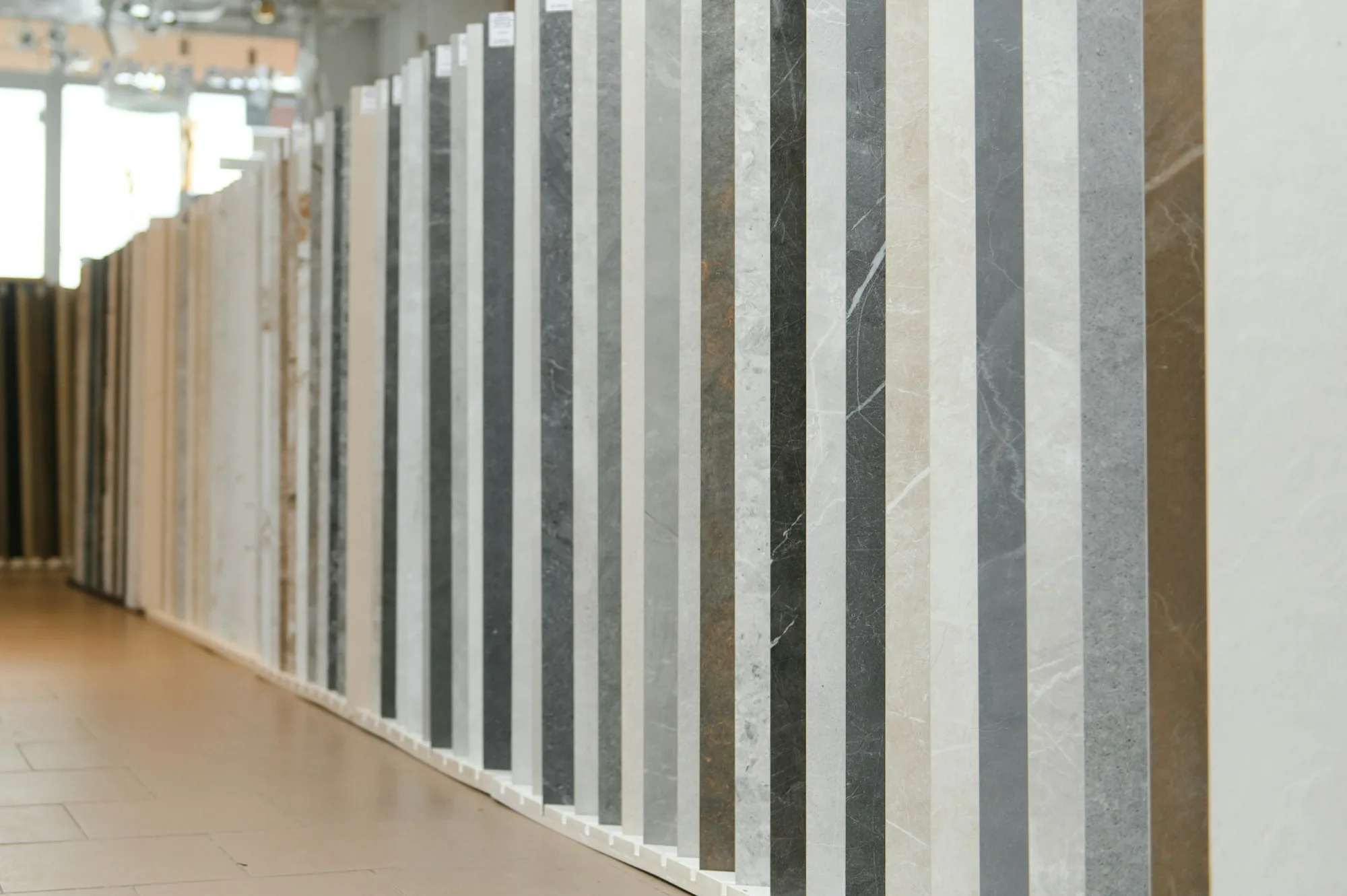
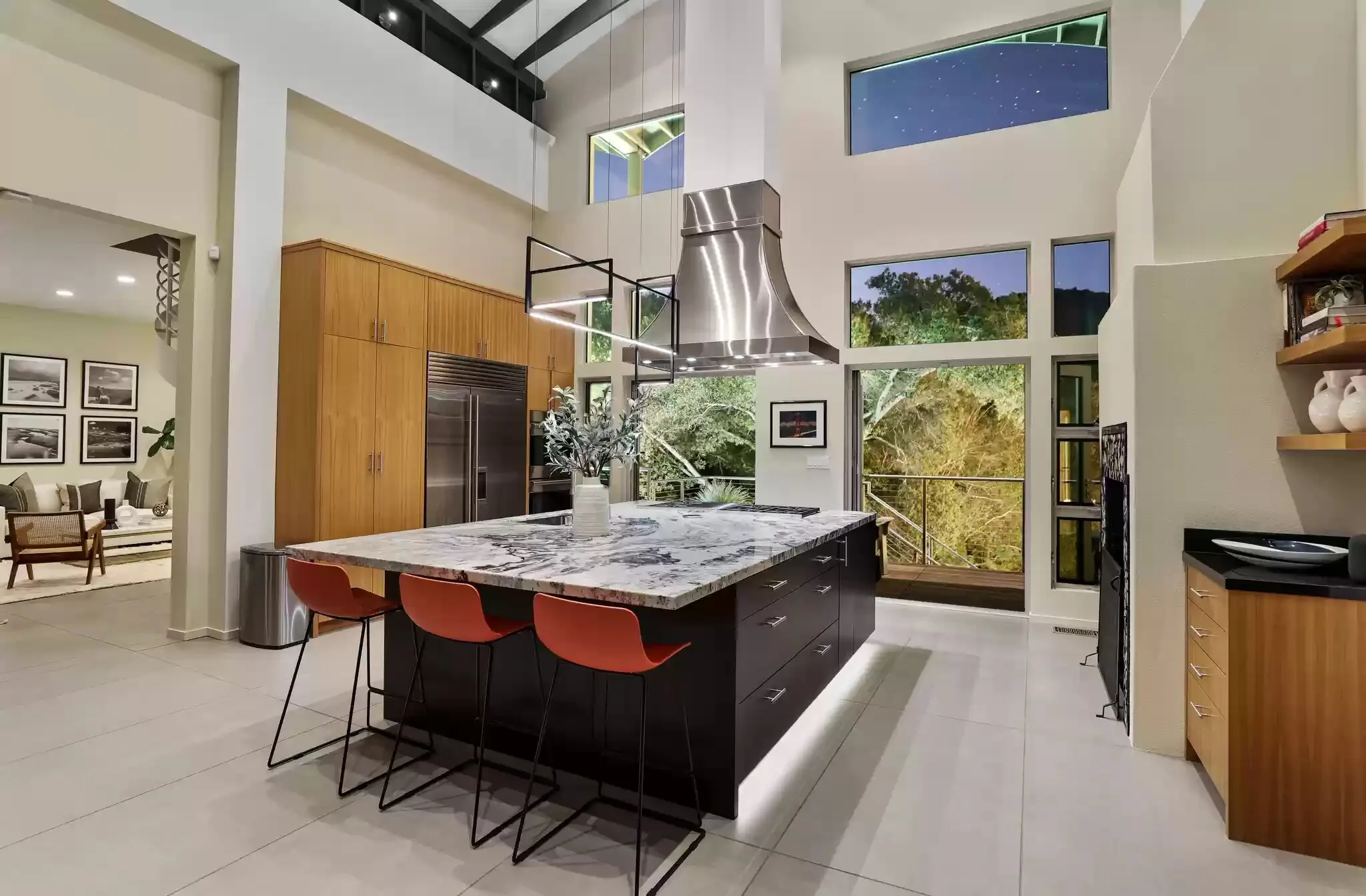
Repeat a few tones or textures across the home instead of choosing each room in isolation. A kitchen countertop can relate to a fireplace surround or a bathroom floor through color without requiring identical material. Compare samples together and let individual rooms vary where their function calls for something different.
Make storage part of the design
Choose cabinets, drawers, hooks, and shelves for the items they will contain. Keep daily necessities accessible and move occasional objects out of prime space. Closed storage can help a visually active room feel calmer, while a small amount of open display can hold personal character. Balance the two according to how the household actually uses the room.
Check comfort after the styling is finished
Sit in the seating, prepare a meal, use the vanity, and look at the room after dark. Notice glare, awkward reaches, missing light, and places where a decorative object obstructs a task. Adjust those details before deciding the room is complete. A good design should remain convincing when someone is living in it.
Plan your next step
Style and functionality can support one another when the plan begins with real activities. Keep the material palette connected, give everyday objects useful homes, and evaluate each improvement by how comfortably it works.
For help with tile installation or custom stone surfaces, contact DC Tile and Stone to discuss your project.