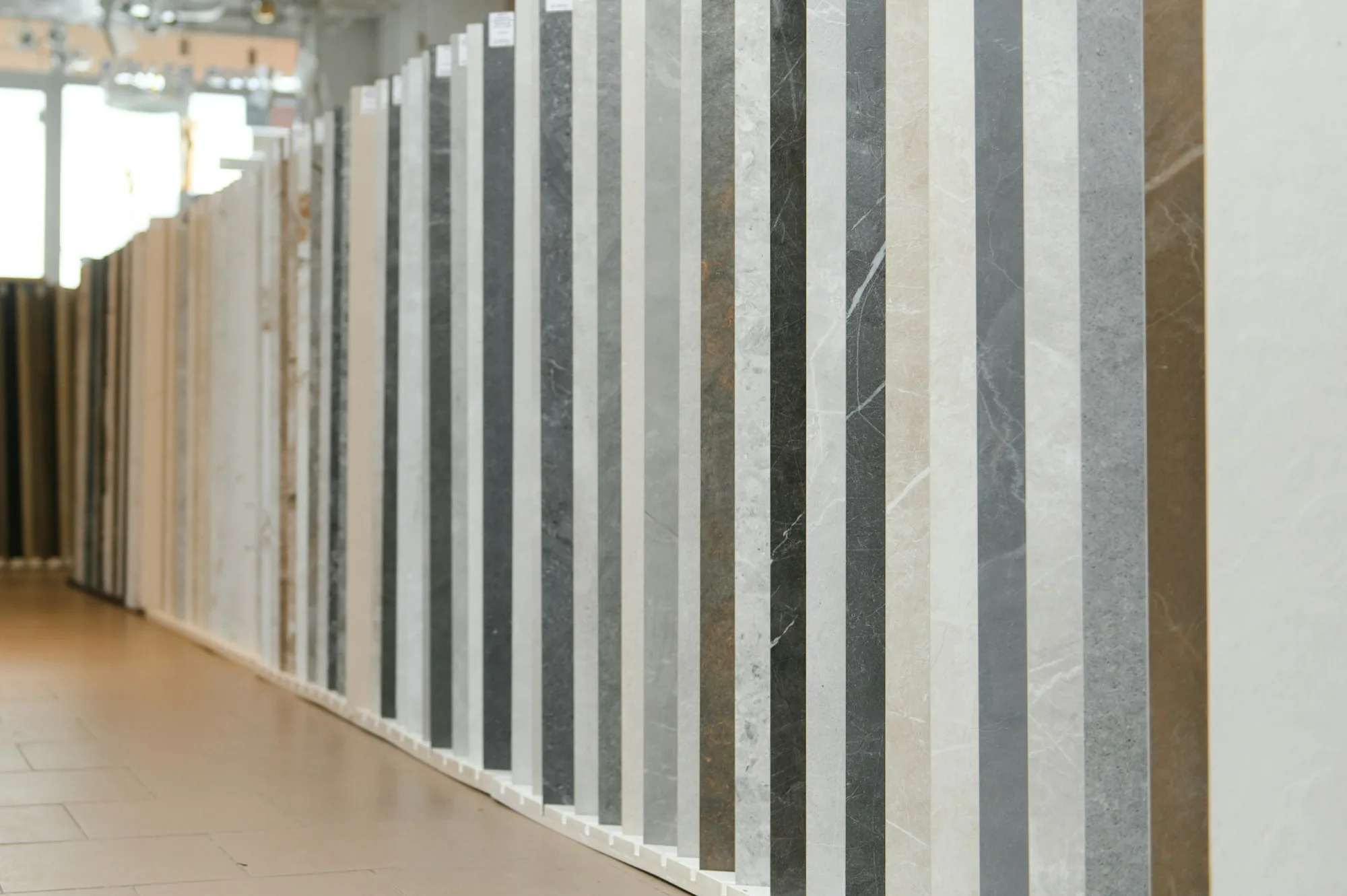

Modern interiors often combine several surfaces that look similar but need different care. A stone-look tile, a natural stone worktop, and engineered quartz should not automatically receive the same treatment. The most useful maintenance plan begins with identifying what is installed, keeping its instructions, and making everyday cleaning simple enough to repeat.
Build a material record
Save product names, finishes, installation dates, and care information in one place. Include the grout, sealant, and any surface treatment used during the project. Photograph labels or leftover packaging before it is discarded. This record is helpful when choosing a cleaner, arranging a repair, or explaining the material to someone who cleans the home.
Clean according to the actual finish
Use the directions for each surface rather than assuming a general household product is suitable everywhere. For natural stone, Arizona Tile’s care guidance recommends appropriate neutral cleaning and cautions about acids on more delicate stone. Keep approved products convenient and label them by location if several people share the cleaning.
Prevent avoidable wear in the right places
Place mats where grit enters the home, use furniture protection suited to the floor, and keep a cutting board convenient near preparation areas. Use trays beneath bottles that tend to leave residue. These small arrangements reduce the number of spills and scuffs that need later attention. Check that mats and pads themselves are suitable for the surface beneath them.
Treat heat and chemicals as product questions
A surface described as durable is not necessarily suitable for every exposure. For engineered surfaces, follow the selected brand’s instructions about cookware and countertop appliances. Caesarstone’s care information calls for hot cookware protection. Do not test a harsh cleaner or an abrasive tool on a visible area to find out whether it is safe.
Inspect small problems before they spread
Notice loose trim, changes around joints, persistent moisture, or an unfamiliar mark. Document the issue and ask the installer or appropriate specialist about the next step. Avoid covering a recurring problem with another treatment before understanding its cause. Keep spare tile and offcuts when practical so a future repair has a better chance of matching.
Plan your next step
A material-specific routine is more reliable than a cabinet full of strong cleaning products. Identify each surface, prevent ordinary damage where you can, and use its care information to guide cleaning and repair decisions.
For help with tile installation or custom stone surfaces, contact DC Tile and Stone to discuss your project.