Rustic decor feels most inviting when it grows from a few honest materials rather than a collection of themed accessories. Wood, stone, woven fabrics, and useful vintage pieces can add warmth to an existing home. These ten ideas work individually or together, leaving room for your own furniture and the character of the building.
1. Begin with warm, quiet colors
Try a palette drawn from wood, clay, linen, and the stone already in your home. Test paint and fabric samples together in daylight and after dark. A related group of tones can make old and new pieces feel comfortable beside one another without making every surface look the same.
2. Keep a wood element with character
A table, shelf, or cabinet with visible grain can become an anchor for the room. Choose a finish you can maintain and a scale that fits the space. You do not need to cover every wall in timber to establish warmth.
3. Add stone where it has a purpose
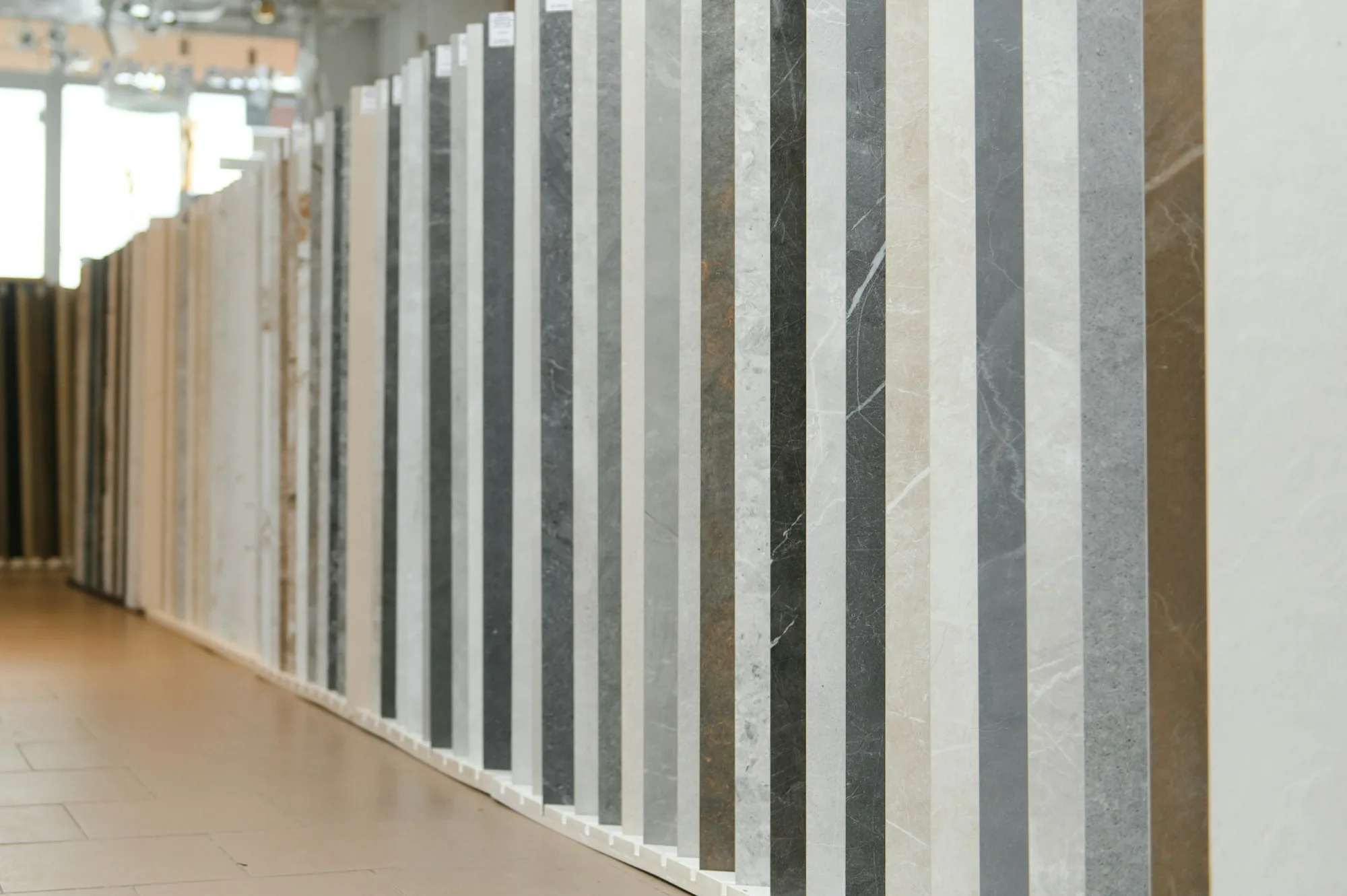
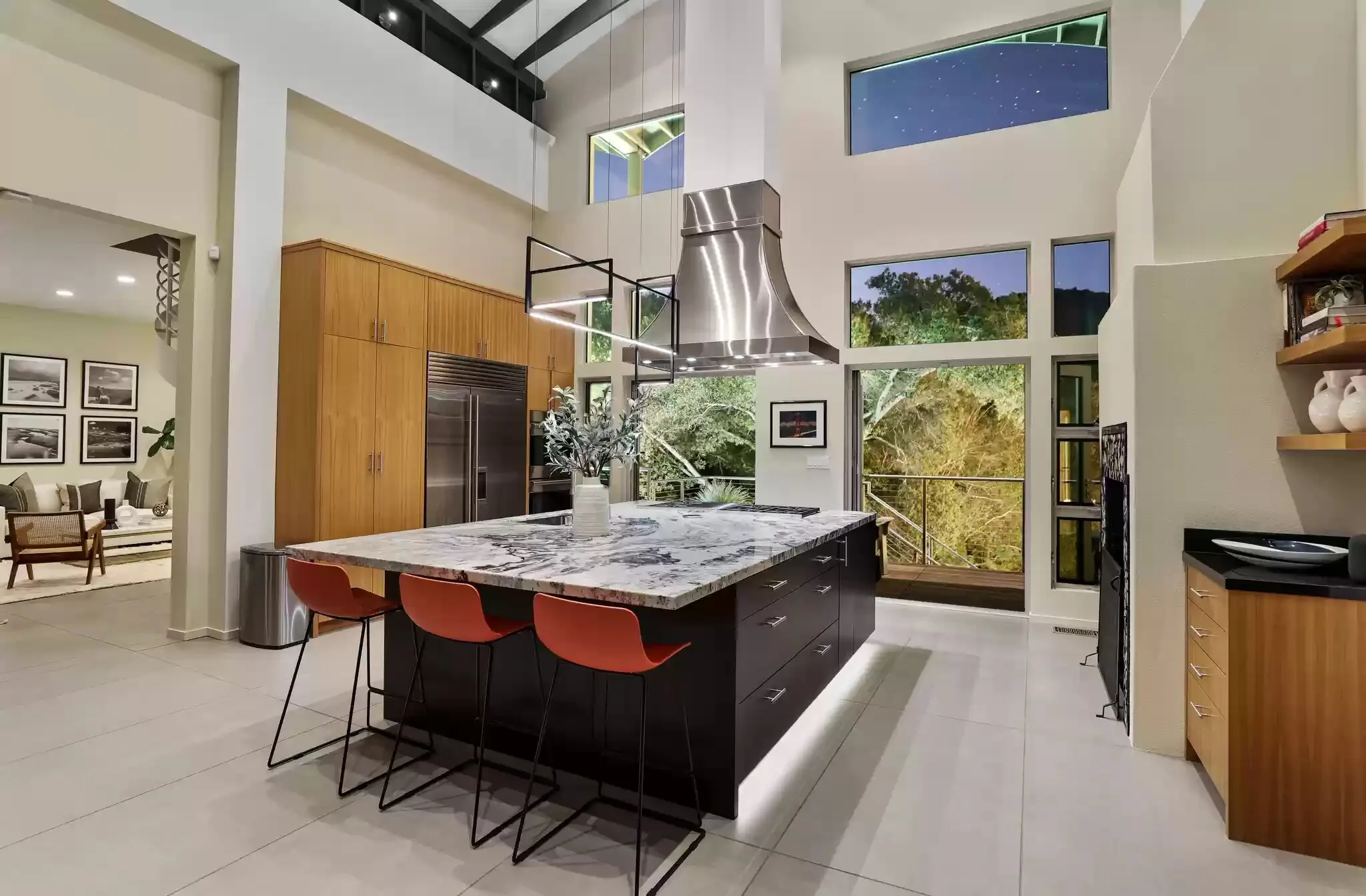
A countertop, hearth, or fireplace surround can connect texture with daily use. Compare full material samples with nearby wood and upholstery. Let the stone’s pattern influence the surrounding palette rather than adding several competing statement finishes.
4. Introduce woven texture
A basket for throws, a textured rug, or woven shades can soften the relationship between harder surfaces. Choose pieces that solve a practical need. Texture is easier to appreciate when it is not buried beneath too many small decorations.
5. Mix in one older piece
A well-used bench or inherited cabinet can add personal history. Check its condition and intended use before building the room around it. Pair it with simpler contemporary pieces so the space feels lived in rather than staged as a period setting.
6. Soften the lighting
Place lamps near seating and choose shades that suit the atmosphere you want in the evening. Keep useful task lighting where reading or preparation happens. A rustic room still needs to function when daylight fades.
7. Edit open shelving
Display a small group of objects you use or value: bowls, books, or a favorite piece of pottery. Leave breathing room between groups. Keep everyday overflow in closed storage so the shelf remains a deliberate part of the composition.
8. Bring in a natural accent
A plant, a branch arrangement, or a simple bowl of seasonal fruit can enliven a quiet palette. Choose something that suits the room and the attention you can give it. Natural accents do not need to be elaborate to be effective.
9. Balance rough and smooth
Set a textured textile beside a smoother tabletop, or combine a characterful wood finish with a restrained tile backsplash. Contrast helps each material remain legible. Repeating a similar tone can keep the combination cohesive even when the textures differ.
10. Leave room for daily life
Preserve clear routes, comfortable seating, and useful places to put a cup or book. Remove an accessory if it makes the room awkward to use. The warmest room is one that welcomes ordinary activity rather than requiring everything to stay perfectly arranged.
Plan your next step
Start with the idea that addresses something your room needs. Rustic warmth is easier to sustain when the choices feel personal, useful, and connected to the materials already around you.
For help with tile installation or custom stone surfaces, contact DC Tile and Stone to discuss your project.