A countertop upgrade can solve everyday frustrations that a kitchen refresh leaves untouched. Perhaps the preparation area is too small, the sink position is inconvenient, or worn edges make the room feel tired. Custom countertops let you address those details together, but the most useful starting point is a clear account of what your current kitchen gets wrong.
Separate cosmetic issues from functional problems
Write down the things you notice during a normal week. Are you constantly moving small appliances to make room for chopping? Is a seam in an awkward location? Does an existing surface require care you cannot realistically maintain? A list of specific problems helps determine whether a replacement alone is enough or whether cabinet, plumbing, or electrical changes should be included.
Design around the tasks you repeat
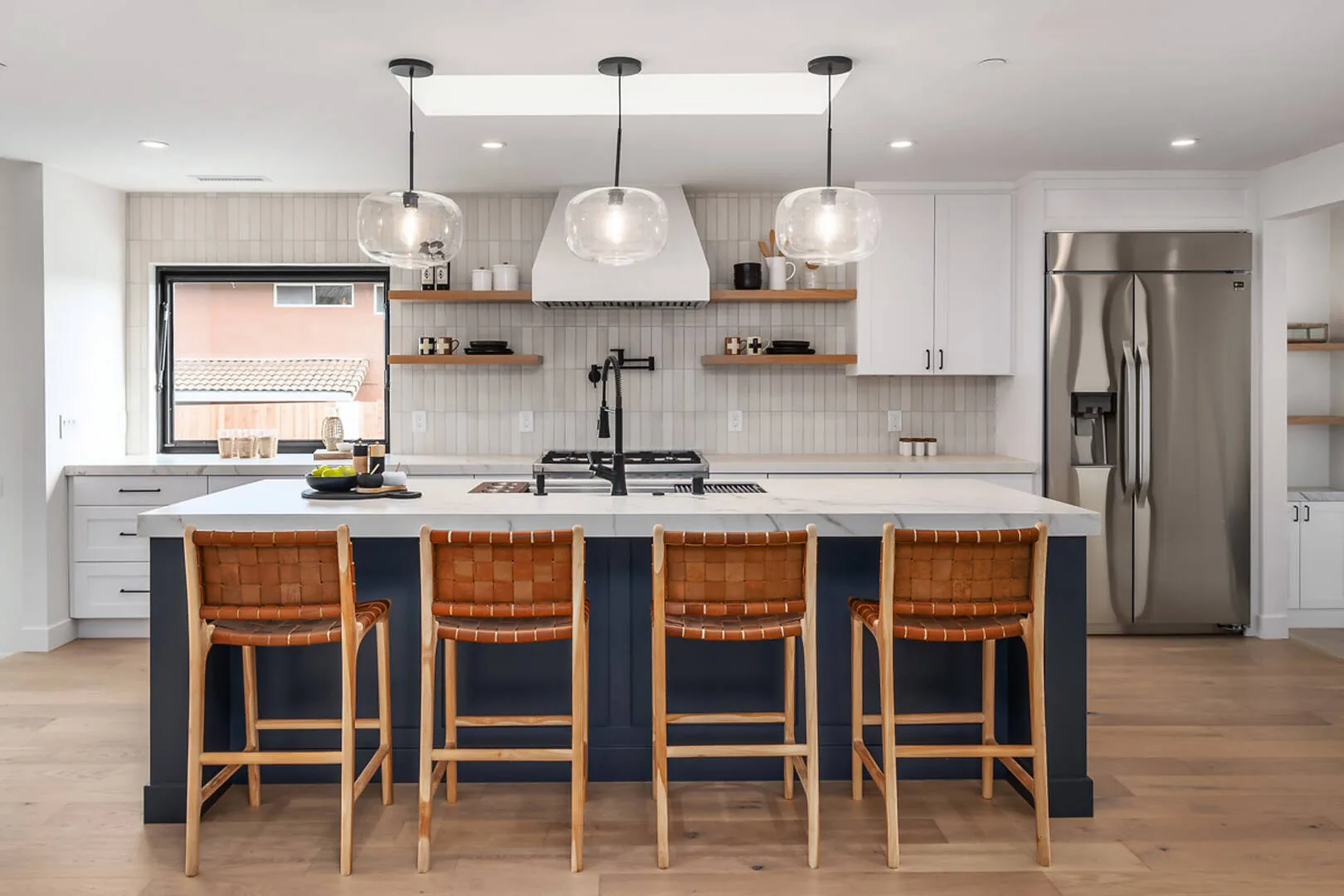
Decide where groceries land, where food is prepared, and where dishes accumulate. Keep a usable stretch of counter near the activities it supports. If seating is part of the plan, discuss its relationship to circulation and preparation space. A custom layout is most valuable when it follows your routine rather than copying a photograph.
Choose details that support the whole kitchen
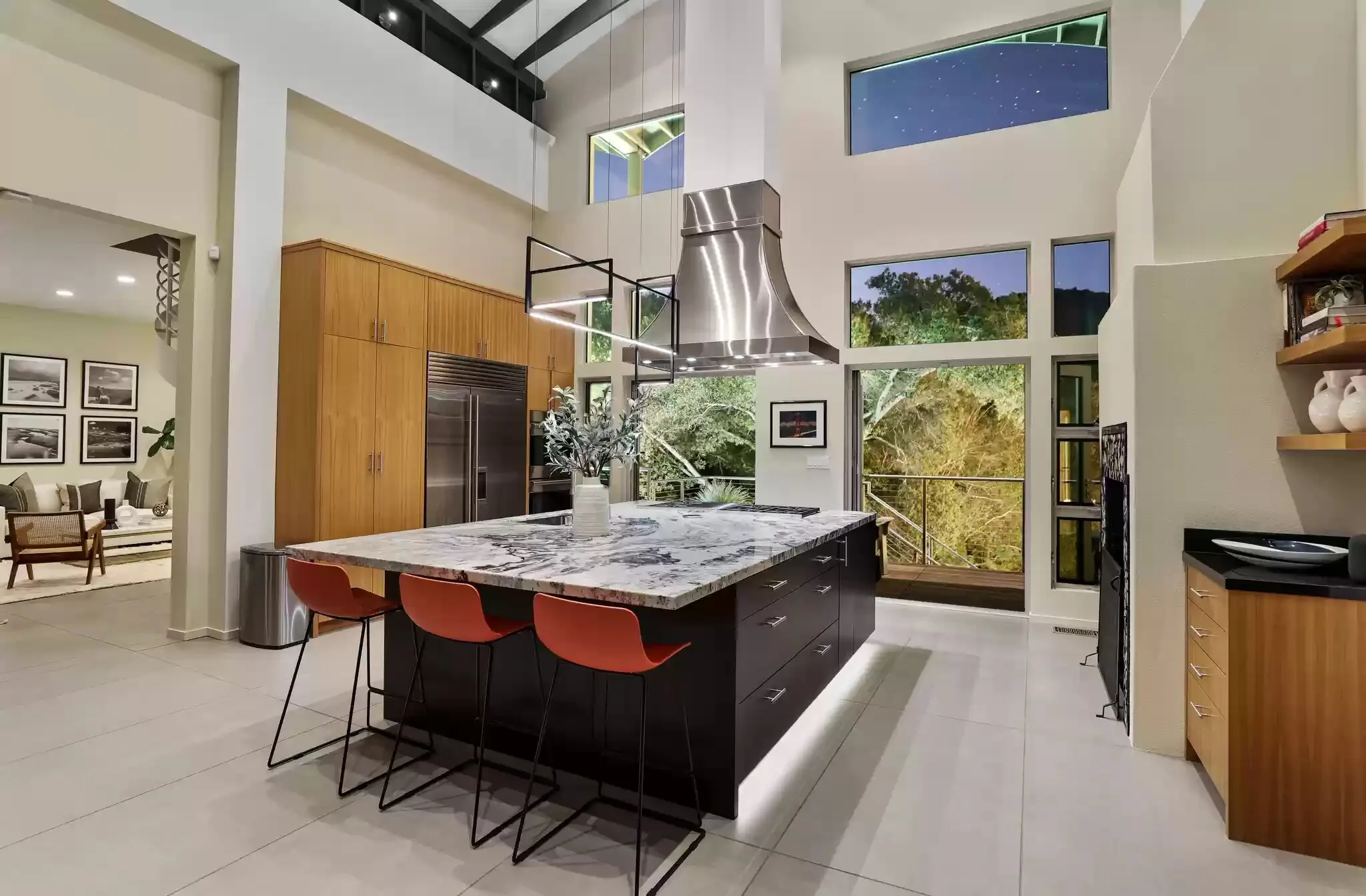
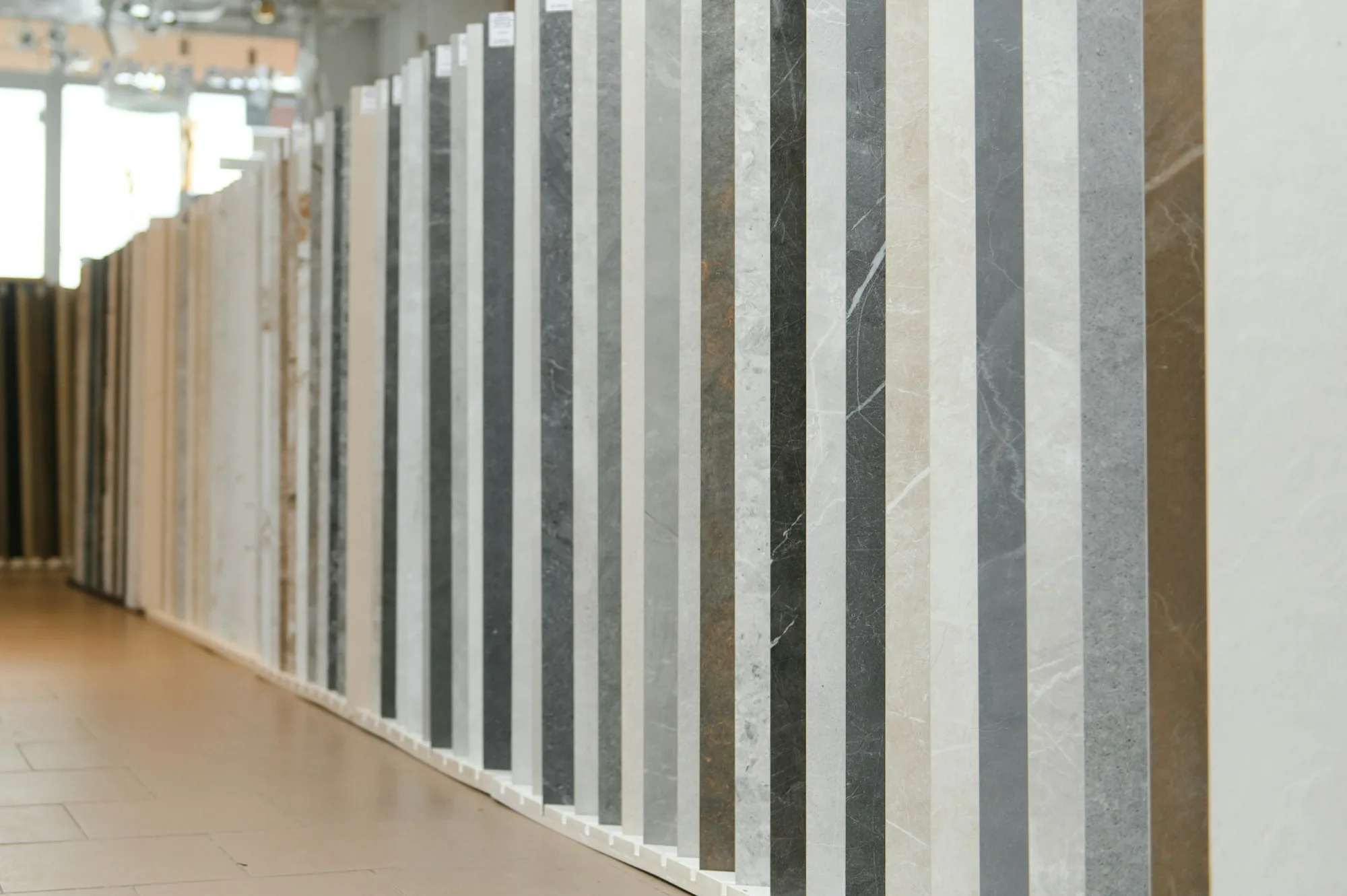
The edge profile, backsplash height, sink cutout, and finish all affect the result. Bring cabinet, flooring, and paint samples when comparing slabs. A dramatic pattern may be best concentrated on an island, while a quieter perimeter keeps the room balanced. Review large samples or the actual slab before approving a selection.
Confirm that the existing cabinets are ready
A new surface depends on the condition and layout beneath it. Have the installation team review cabinet stability, level, appliance clearances, and support requirements. Decide whether cabinet repair or replacement should happen before templating. Changing a sink, faucet, or appliance after measurements are finalized can create avoidable complications.
Plan the transition, not just installation day
Ask who handles removal, protection of the room, plumbing disconnection and reconnection, and the disposal of old materials. Confirm which fixtures must be on site for measuring and fabrication. Arrange a temporary preparation area if the kitchen will be unavailable. These practical details make the upgrade easier to live through.
Plan your next step
Custom countertops can make an existing kitchen feel more coherent and useful, but the benefit comes from thoughtful decisions rather than customization for its own sake. Bring your daily frustrations and a few material preferences to an initial project conversation.
For help with tile installation or custom stone surfaces, contact DC Tile and Stone to discuss your project.