Granite remains a material worth considering, but choosing a countertop is more useful than choosing a winner. Your cooking habits, preferred appearance, maintenance routine, and project details all influence the right fit. Comparing granite with quartz, marble, quartzite, and porcelain helps you understand what each option asks of you before you commit.
Start with what you like about granite
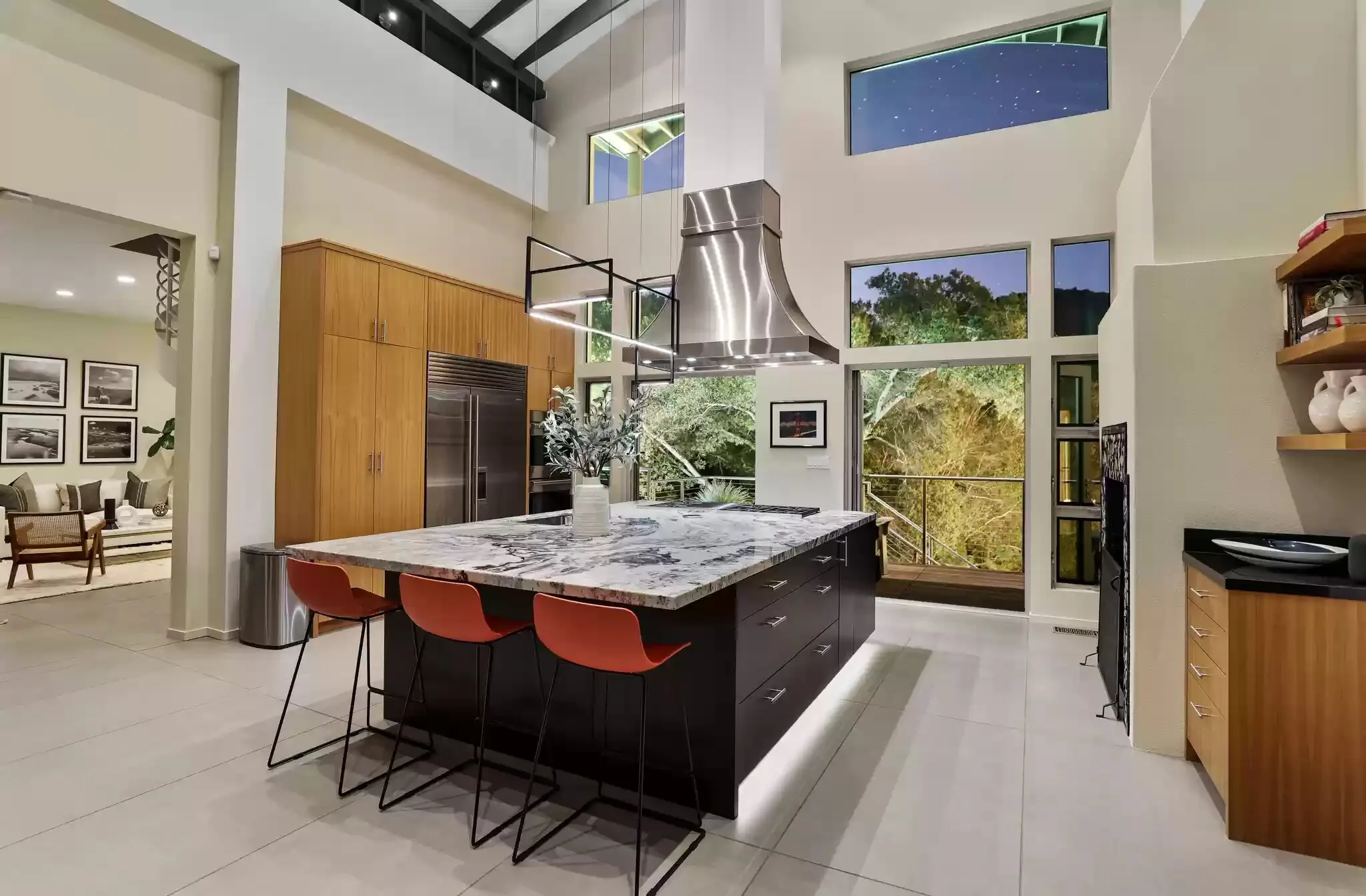
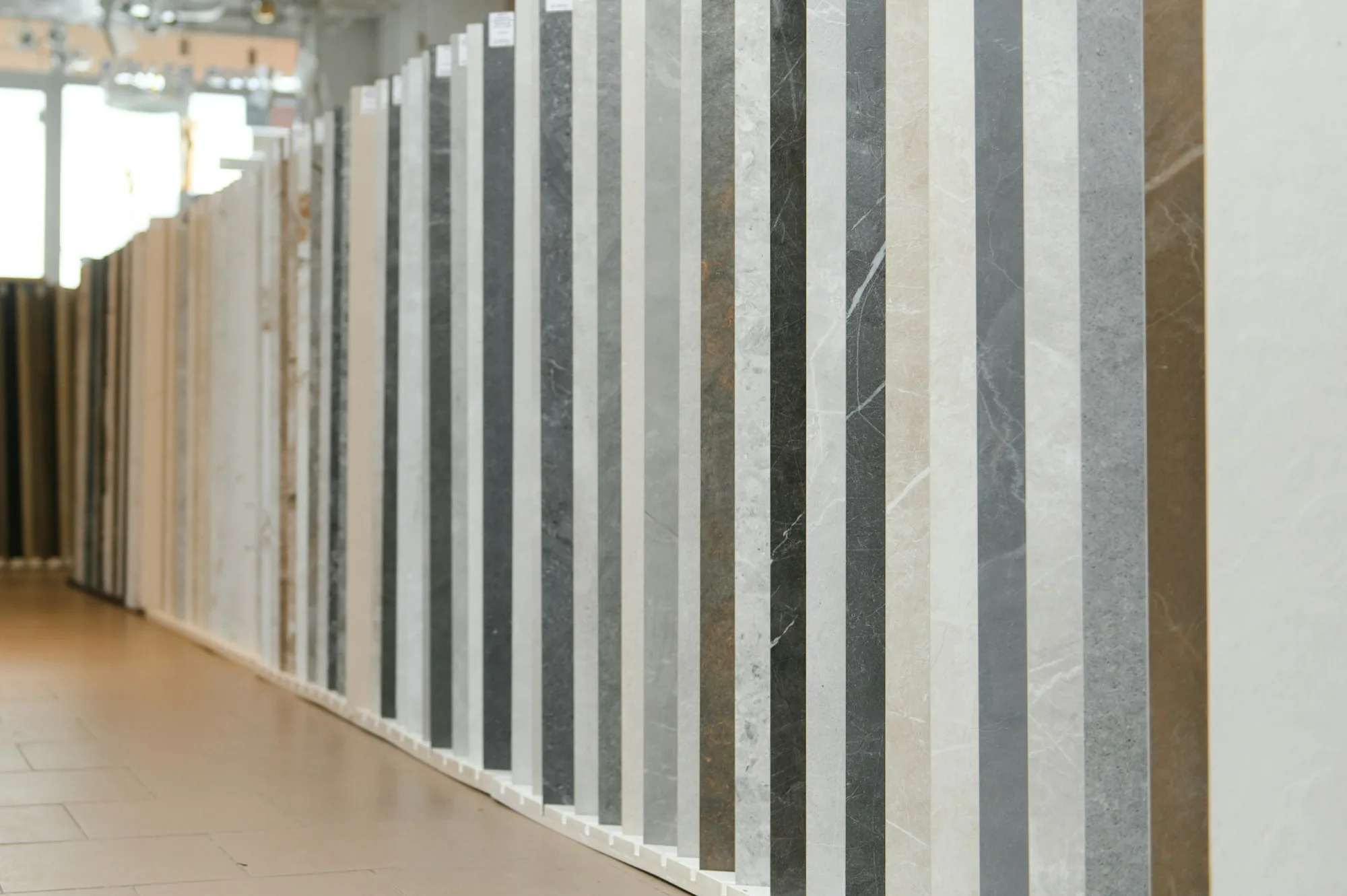
If you enjoy natural variation, look at complete slabs rather than selecting from a small chip. The pattern may be quiet in one area and dramatic in another. Ask your fabricator how those changes would fall across the island, sink run, and seams. Two slabs sold under the same commercial name may still give a kitchen different character.
Compare alternatives in the same setting
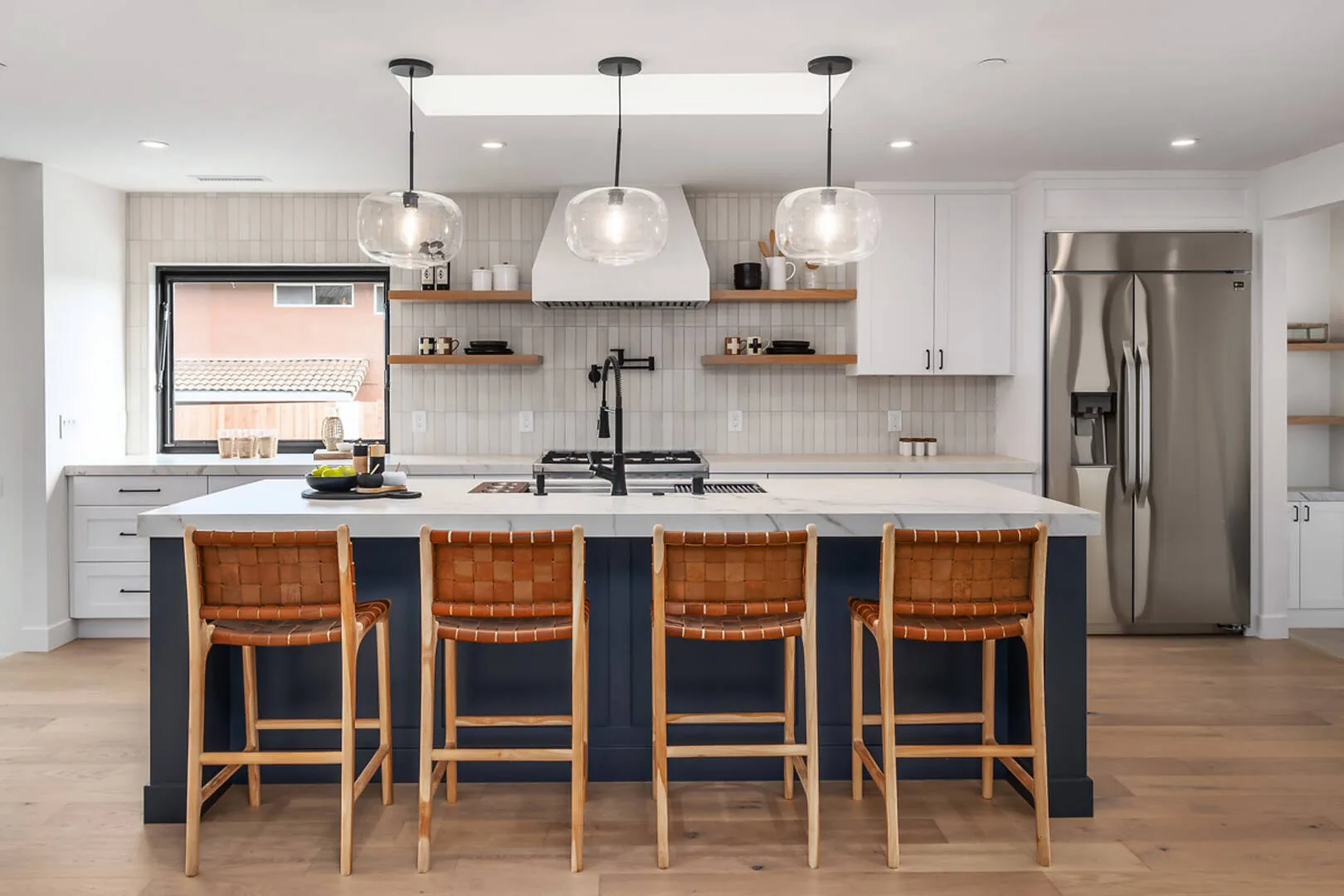
Put candidate materials beside your actual cabinet finish, flooring, and backsplash. Engineered quartz may suit a design that calls for a controlled pattern, while marble may appeal when expressive natural veining is the priority. Quartzite and porcelain deserve their own product-specific conversations. Do not assume that a similar-looking sample will behave like the stone it resembles.
Discuss care before falling in love with a slab
Ask for the care instructions for the exact material and finish you are considering. The Natural Stone Institute explains that sealing needs vary with the stone; a universal annual sealing rule is not a reliable way to select a countertop. Have the fabricator explain the recommended routine in terms of your kitchen.
Look beyond the material price
A useful comparison includes measuring, fabrication, edge details, sink cutouts, removal, access, installation, and any supporting work. A waterfall end or complicated corner can change the scope considerably. Ask for the same layout and details in each estimate so that you are comparing complete projects rather than unrelated square-foot prices.
Make the choice at slab scale
Before approving fabrication, review the proposed seam locations and the orientation of the pattern. Confirm how the surface meets appliances and walls, and where overhang support is needed. These decisions help determine how the finished countertop looks and functions. The name of the material alone cannot answer them.
Plan your next step
Granite does not need to be fashionable to be right for a particular home. Choose the surface whose appearance, care requirements, and fabrication details make sense together, then plan the installation with those priorities clearly documented.
For help with tile installation or custom stone surfaces, contact DC Tile and Stone to discuss your project.